PISONICS | Xi’an Pisonics
PS7100 Series
Spectroscopic Concentration / Density Meter
Multi‑channel full‑spectrum analysis · reagent‑free, no dilution · UV / visible / near‑infrared, all in one
± 1 nm wavelength accuracy | 200 ~ 1700 nm Covers UV / visible / near-infrared | R² > 0.99 MLR modeling accuracy |
Product Overview Product Overview
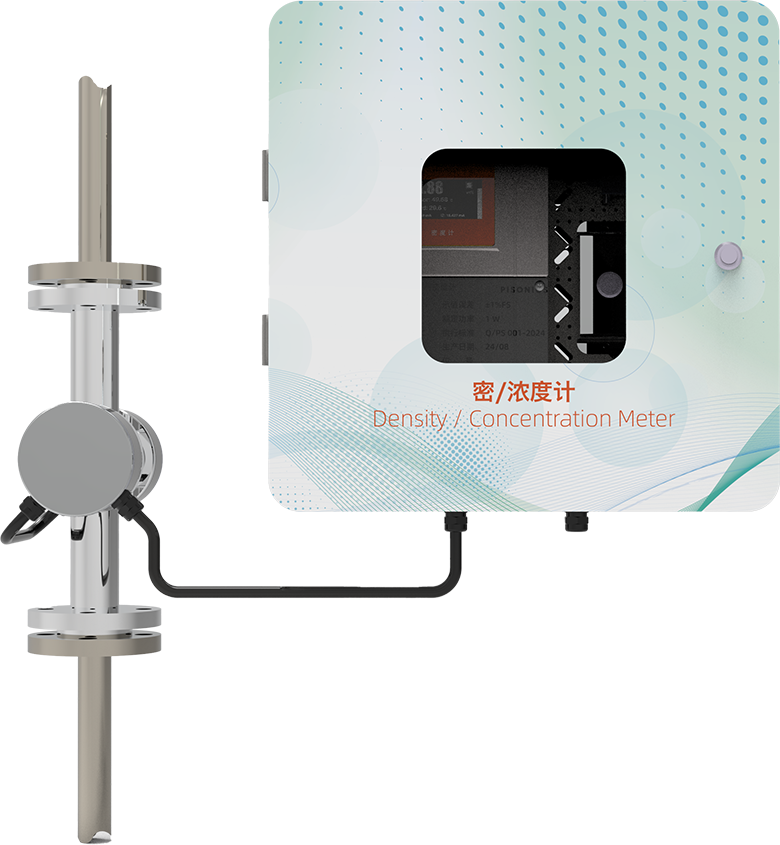
PS7100 Series Spectroscopic Concentration / Density Meter is a new-generation non‑intrusive online liquid analyzer launched by Xi’an Pisonics Information Technology Co., Ltd. (PISONICS) for industries such as chemicals, petrochemicals, pharmaceuticals, food and beverage, semiconductors, and wastewater treatment. The instrument employs advanced multi‑channel absorption spectroscopy, equipped with a LED light source array + multi‑channel photodetectors, covering the entire spectrum from ultraviolet (UV), visible (Vis), near‑infrared (NIR) to short‑wave infrared (SWIR), enabling real‑time monitoring within process pipelines or vessels of the concentration of specific substances in mixed solutions.
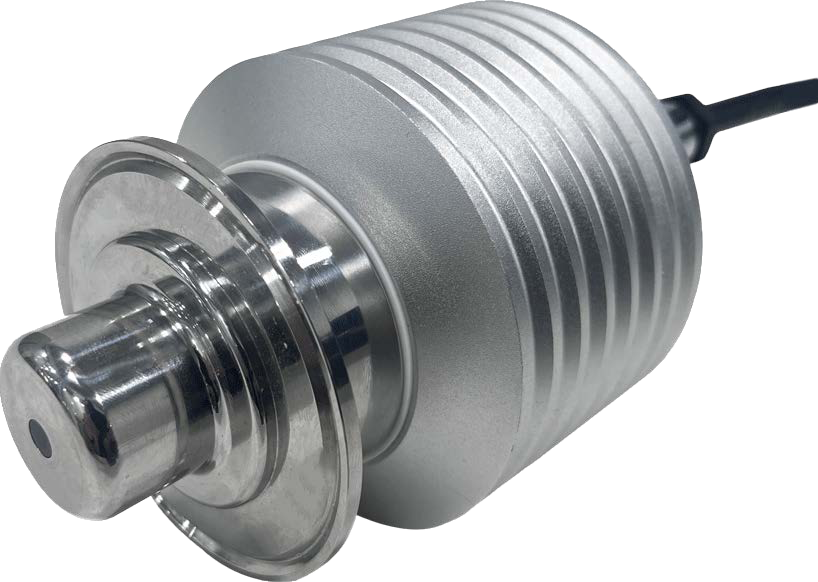
Leveraging years of accumulated MLR multivariate linear regression algorithms and temperature compensation models, the PS7100 achieves high‑precision concentration quantification with an R² > 0.99, and requires no chemical reagents, no sample dilution, and no physical sampling—maintaining accuracy even in complex multiphase systems containing bubbles, solid impurities, or crystals. The combination of a sapphire self‑cleaning probe and long‑life OLED light sources extends the PS7100’s maintenance interval to over 180 days, making it the preferred solution for high‑value applications such as chemical reactors, brewing processes, semiconductor ultrapure liquids, and wastewater monitoring.
Measurement Principle How It Works
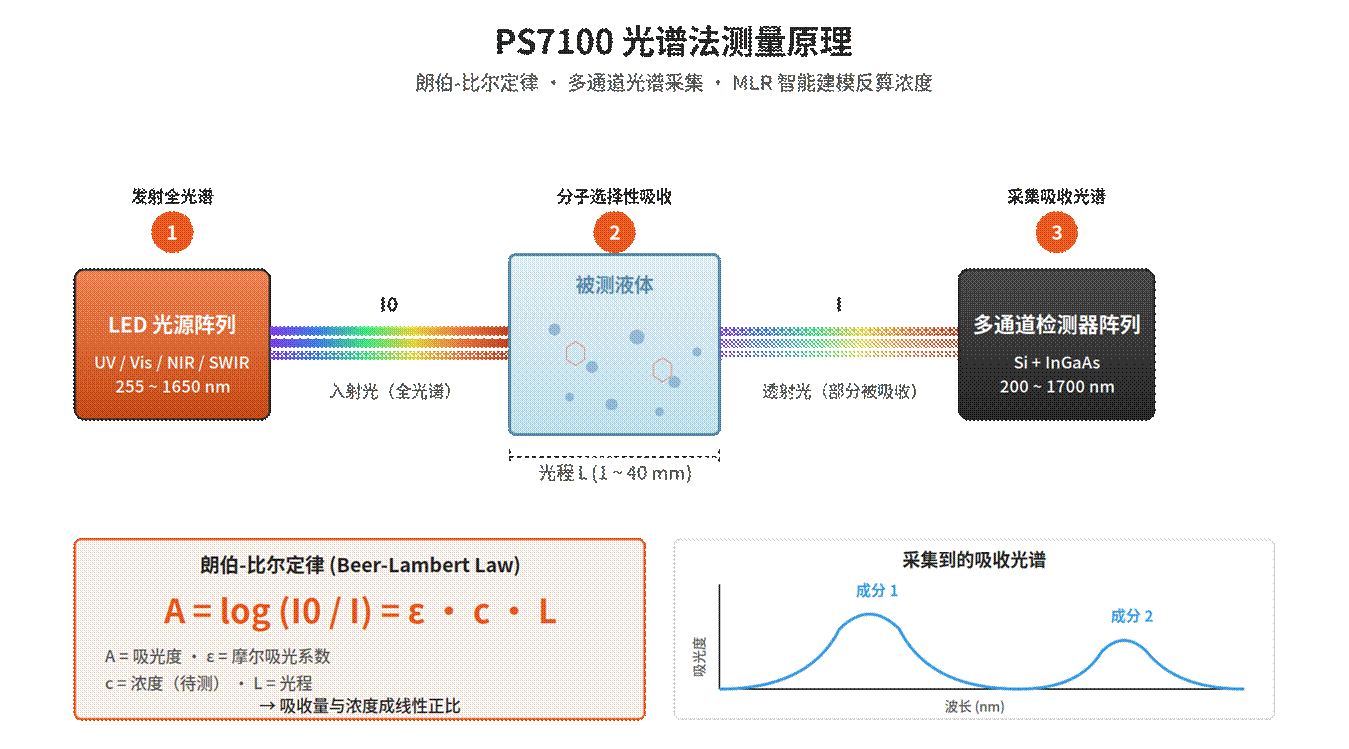
Spectroscopic measurement is based on a classic physical principle—the Beer‑Lambert Law: when a beam of light passes through a liquid containing light‑absorbing substances, the light intensity is selectively absorbed at specific wavelengths, with the amount of absorption (absorbance A) directly proportional to the substance’s concentration c and the optical path length L.
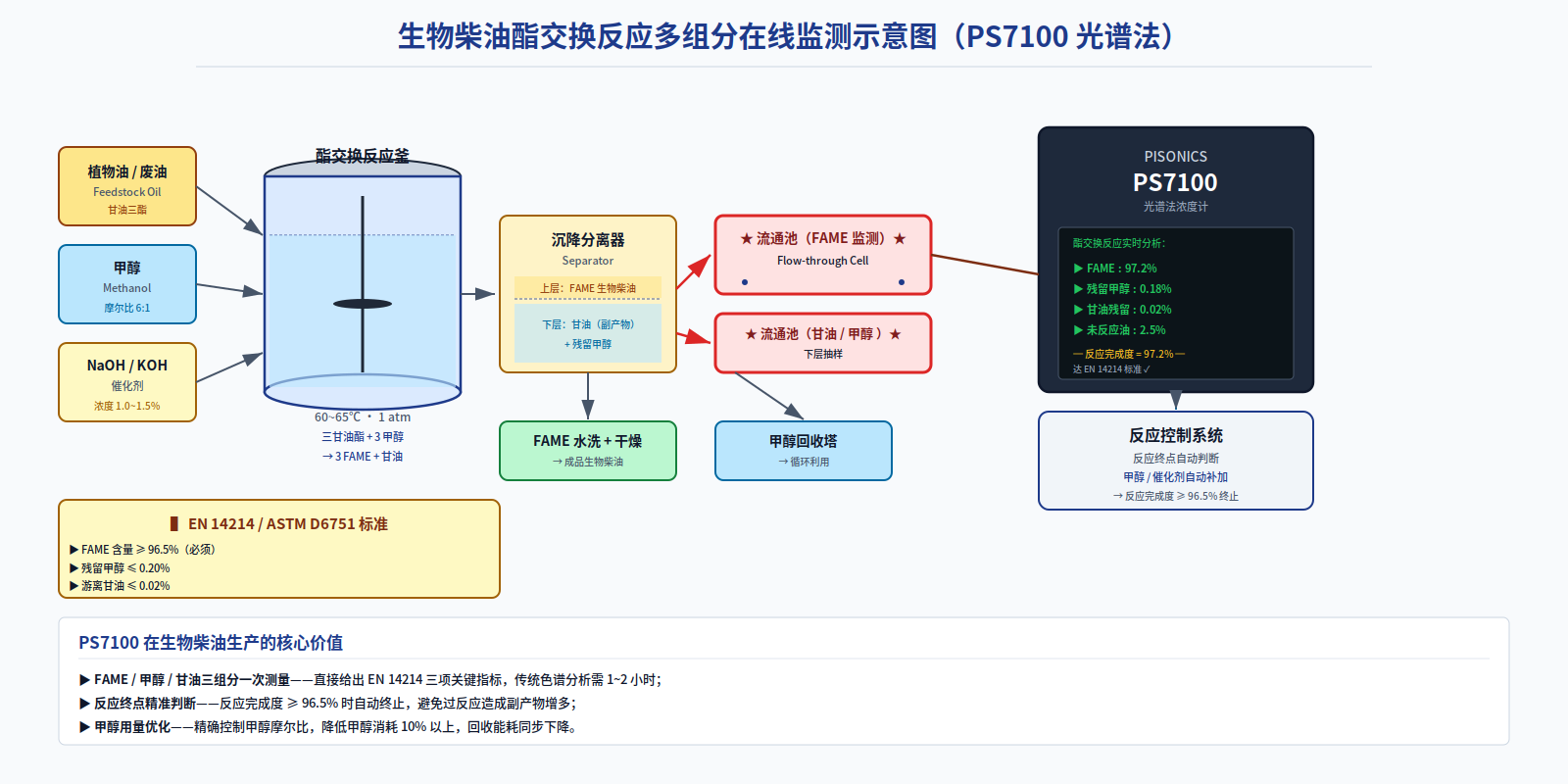
The PS7100 operates in four steps: (1) the LED light source array illuminates sequentially, emitting full‑spectrum pulses spanning 255 to 1650 nm; (2) the light beam passes through the liquid being measured, with certain molecules (such as water, alcohols, organic acids, aromatic compounds, etc.) selectively absorbing photons at their characteristic wavelengths; (3) the multi‑channel Si + InGaAs detector array simultaneously records the transmitted light intensity, generating a complete absorption spectrum; (4) the host unit uses MLR intelligent modeling + Kalman filtering to calculate the medium’s concentration / density in real time, outputting the results via dual channels—4–20 mA, Modbus, and Bluetooth 5.3.
Core Technical Advantages Core Advantages
No. | Key Technologies / Features | Customer Value |
1 | Multi-channel Full-Spectrum Sensing | LED light source array + multi-channel photodetectors, enabling synchronous acquisition across the entire ultraviolet–visible–near-infrared–short-wave infrared spectrum |
2 | MLR Intelligent Modeling Algorithm | Multiple linear regression automatically selects the optimal feature bands from multi-channel spectra, with R² > 0.99 |
3 | Physical Basis of the Lambert–Beer Law | Absorbance is linearly proportional to concentration, with a clear principle and a reliable mechanism |
4 | Reagent-free · No dilution · Non-destructive | Direct real-time measurement in process pipelines or vessels—no sampling required, no chemical pretreatment needed |
5 | Non-invasive optical measurement | The optical probe does not come into contact with the medium, ensuring no contamination or damage and causing no interference to the process. |
6 | Sapphire self-cleaning probe | Specially treated sapphire optical window + self-cleaning design ensures long-term continuous operation without scaling |
7 | Resistant to Multiple Process Interferences | Unaffected by changes in liquid pressure, flow surges, turbulence, vibration, noise, or color variations |
8 | Resistant to bubbles / impurities / crystallization | Intelligent spectral processing and correction model ensures high-precision concentration quantification even in multiphase systems |
9 | Simultaneous multi-parameter output | Concentration, temperature, and full-spectrum data can be output simultaneously, facilitating multi-dimensional process monitoring and diagnostics |
10 | No mechanical moving parts · Long service life | OLED long-life light source + optical probe with no moving parts, resulting in an extremely low failure rate |
11 | Rich communication interfaces | RS485 / Modbus / Profibus-DP / Hart / Bluetooth 5.3 / MQTT / Dual-channel 4–20 mA / Relay—full-stack support |
12 | Explosion-proof / CE-certified | Ex db ib IIC T6 Gb explosion-proof model available; has passed EU CE certification |
Full Spectrum Band Coverage · One‑stop Multi‑medium Analysis Full Spectrum Coverage
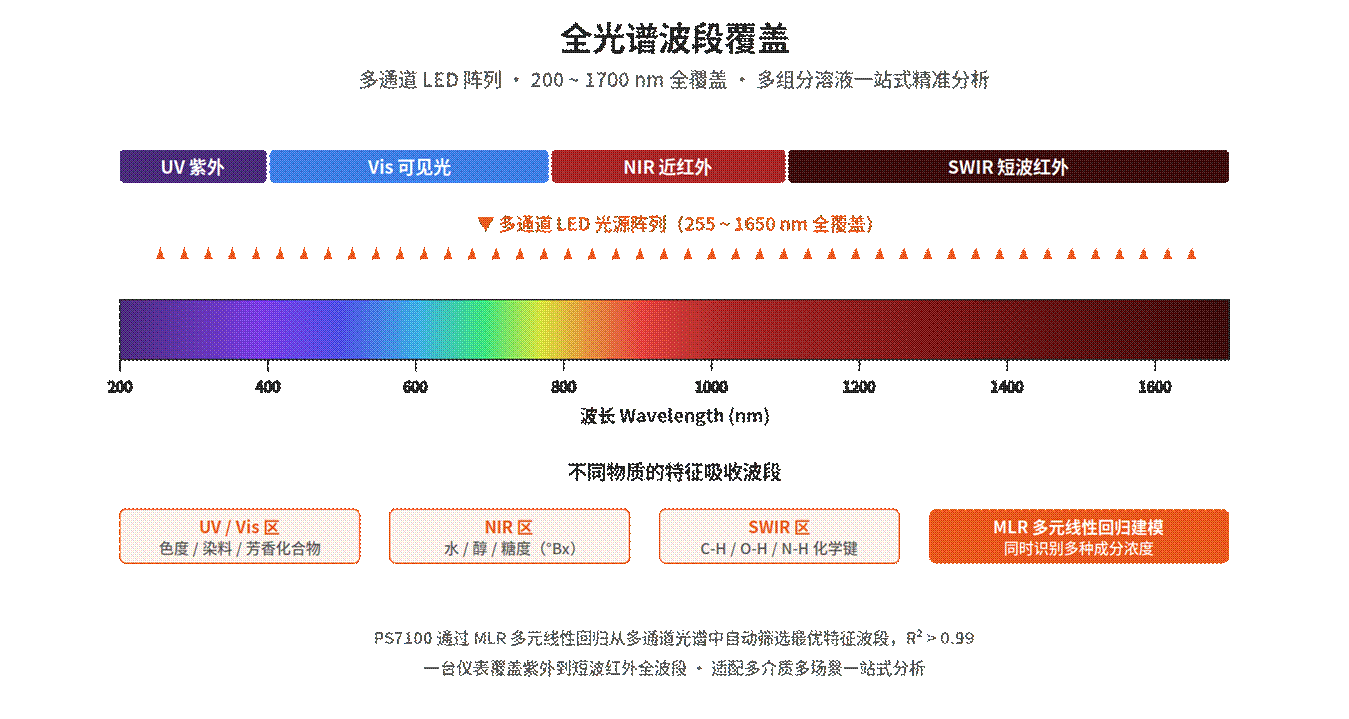
The PS7100’s multi‑channel LED light source array spans ultraviolet (UV) → visible light (Vis) → near‑infrared (NIR) → short‑wave infrared (SWIR), effectively integrating a UV spectrophotometer, a visible light concentration meter, and a near‑infrared analyzer into a single instrument. Different spectral bands correspond to the characteristic absorption signatures of various substances:
Comparison with Traditional Methods Why PS7100
Addressing the longstanding pain points of online liquid concentration monitoring—consumption of chemical titration reagents, refractometers susceptible to temperature drift, vibrating‑tube and tuning fork density meters prone to scaling and requiring frequent cleaning, and laboratory sampling that lags behind real‑time feedback—the PS7100, leveraging its optical non‑contact principle and multi‑channel intelligent modeling, comprehensively outperforms traditional approaches in three key dimensions: real‑time responsiveness, interference-resistance capability, and maintenance cost.
Comparison Dimensions | Laboratory Sampling and Analysis | Refractometer | Vibrating-tube / tuning fork concentration meter | PS7100 Spectroscopic Method |
Real-Time Performance | Hysteresis (hours) | Real-time | Real-time | Real-time (second-level response) |
Reagent Consumption | Chemical reagents required | None | None | None |
Multi-component Identification | Multiple analyses required | Refractive index at a single wavelength only | Density only | Simultaneous multi-component identification across multiple frequency bands |
Medium Adaptability | Sample pretreatment is required | Significantly affected by temperature | Affected by process pressure | Resistance to Pressure / Flow / Turbulence / Color |
Anti-scaling | Not applicable | Prone to scaling | Prone to scaling | Sapphire Self-Cleaning |
Maintenance Cycle | Sampling is required each time | Approximately 60 days | About 30 days | ≥ 180 days |
Typical Application Scenarios Typical Applications
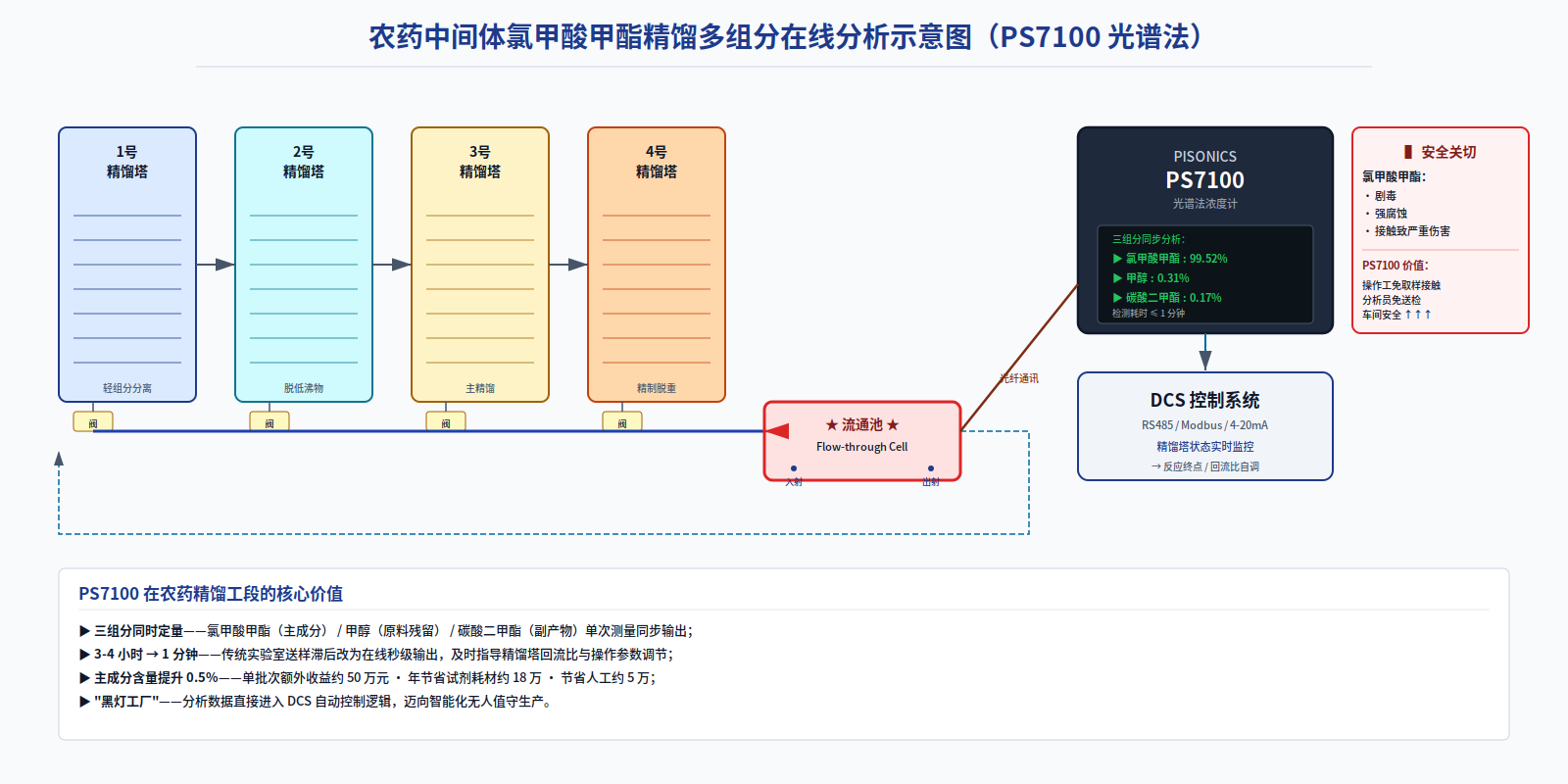
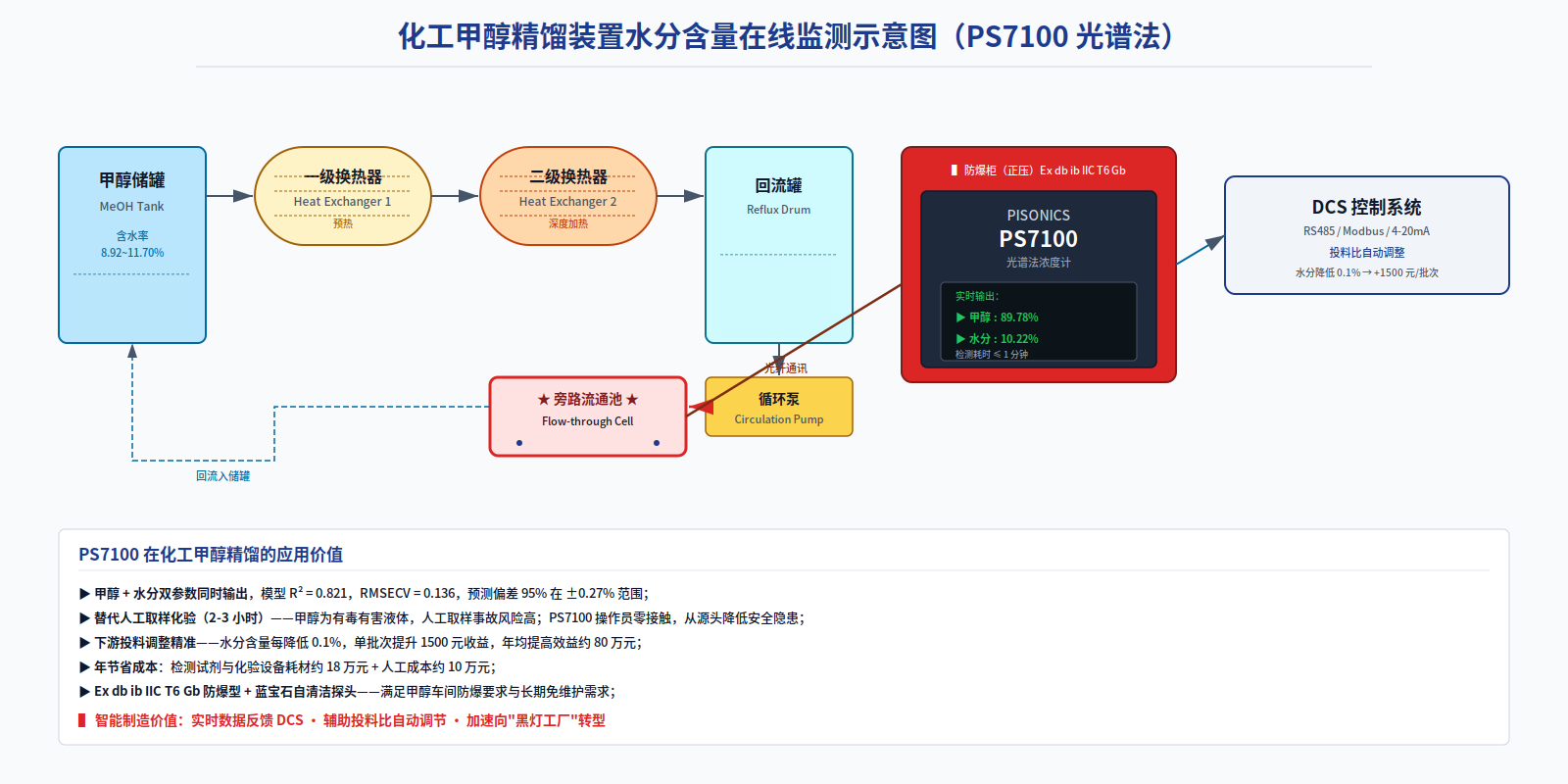
- Chemicals / Fine Chemicals online monitoring of acid‑alkali concentrations (H₂SO₄ / NaOH / HCl), AD‑BLUE / urea / formaldehyde synthesis, chlor‑alkali electrolysis for brine purification, phase boundary detection, solvent recovery (distillation)—[output: wt% / vol%]
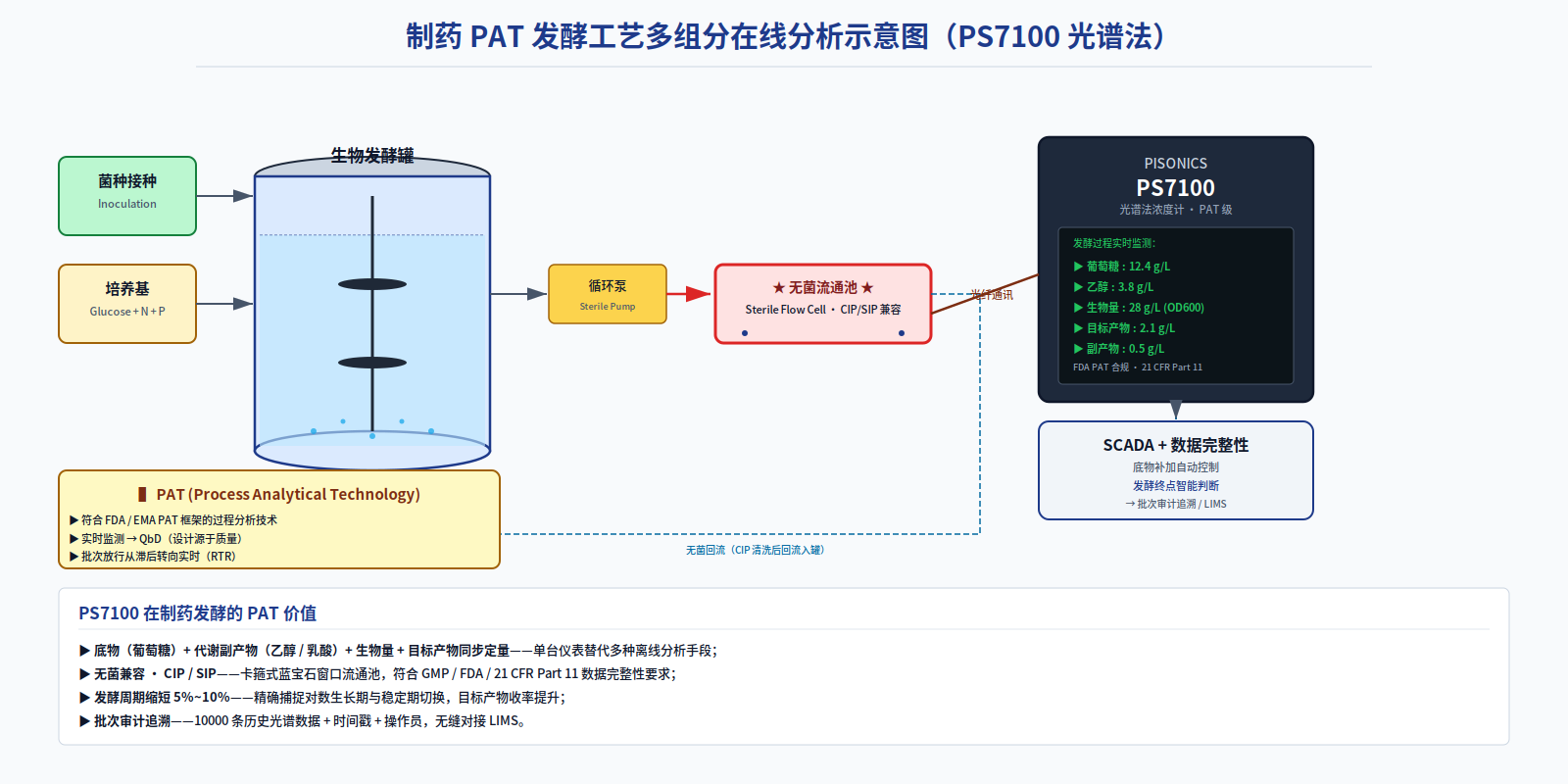
- Pharmaceuticals / Biotechnology process analytical technology (PAT) for drug solution concentrations, fermentation broth monitoring, injection solution control, CIP process identification—[output: g/L / wt%]
- Food · Brewing · Beverages wort concentration (filtration tank / wort filter / boiling pot), sugar content (°Brix / °Bé), wine alcohol levels, smart blending, dairy solids monitoring—[output: °Brix / °Bé / vol%]
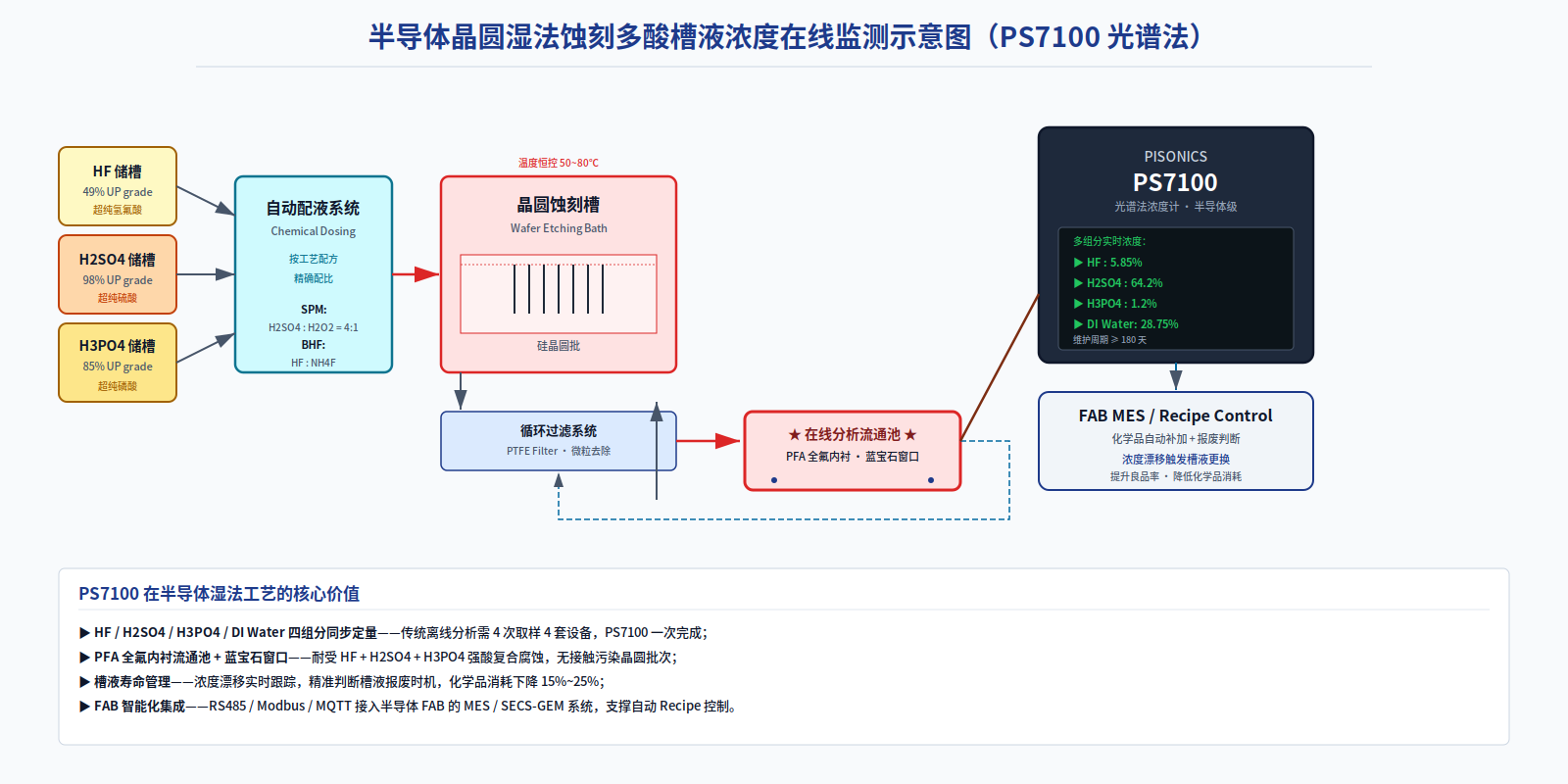
- Semiconductors / Fine Chemicals ultrapure chemical concentrations (HF / H₂SO₄ / H₃PO₄ / KOH), electrolyte concentrations, PCB cleaning fluid levels, texture etching bath compositions—[output: wt% / ppm]
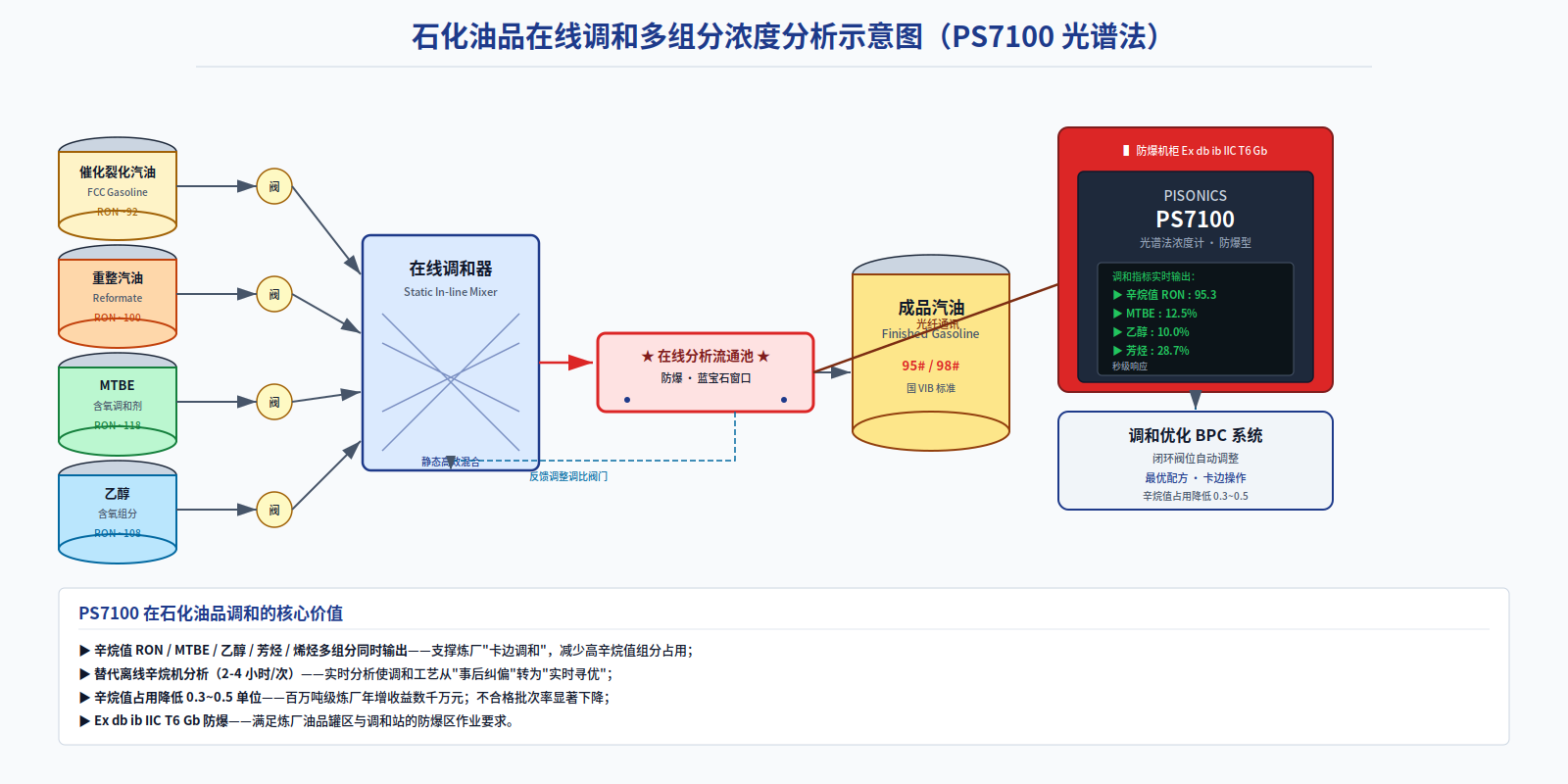
- Oil Refining crude oil water content, blending ratios, fuel additive testing, phase separation monitoring—[output: vol% / g/cm³]
- Wastewater Treatment / Environmental Protection COD online monitoring, suspended solids concentrations, colorimetric assessment, KOH levels in electrolytic tanks, H₂SO₄ measurements in copper mines—[output: mg/L / g/L]
Technical Parameter Overview Technical Specifications
Item | Specifications |
Product Model | PS7100 Series (Spectral Method Series) |
Measurement Principle | Ultraviolet–visible–near-infrared absorption spectroscopy (based on the Lambert–Beer law) |
Measured Object | Chemical solutions, brewing liquids, beverages, cleaning fluids, pharmaceutical liquids, and other clean, homogeneous liquids |
Output Parameters | Concentration / Density / Temperature / Full-spectrum data (output simultaneously) |
Measurement Range | 0 ~ 40% (customized per medium) |
Measurement Accuracy | ±0.1 (absolute accuracy, modeling R² > 0.99) |
Spectral Response Range | 200 ~ 1700 nm (detector) |
Light source wavelength range | 255 ~ 1650 nm (multi-channel LED array) |
Spectral Resolution | 33 nm |
Wavelength Accuracy | ±1 nm |
Wavelength Repeatability | < 0.2 nm |
Spectral Stability | < 3% (ultraviolet region) / < 1% (visible and infrared regions) |
Spectral window area | φ40 mm |
Detector Type | Si + InGaAs dual detector |
Wetted materials | Sapphire (Self-Cleaning Design) |
Measurement Method | Through-beam / Reflective (select based on operating conditions) |
Optical Path Range | 1 ~ 40 mm |
Operating Pressure | ≤ 2.0 MPa (high-pressure customization available) |
Operating Environment | 0℃ ~ +60℃, ≤ 80% RH |
Protection Level | IP66 |
Explosion-proof rating | Ex db ib IIC T6 Gb (optional) |
Power Supply | DC 24V / AC 220V |
Overall power consumption | ≤ 5W |
Analog Output | Dual-channel 4–20 mA (maximum 750 Ω load, compliant with NAMUR NE43) |
Digital Communication | RS485 / Modbus RTU / Profibus-DP / Hart / Bluetooth 5.3 / MQTT |
Digital output | Relay output (window alarm) |
Data Storage | Cyclic storage of 10,000 historical records |
Display and Control | Local OLED + Remote Display Screen (Optional) |
Algorithm | MLR multiple linear regression + Kalman filtering + damping filtering |
Certification | Certified by the EU CE |
Precision Beyond Limits
※ For medium‑specific calibration models, custom optical paths, explosion‑proof / hygienic versions, or detailed selection guidance, please contact Pisonics’ technical engineers in Xi’an.