Concentration Meter
inline concentration meter · online concentration meter · slurry concentration meter · non-nuclear concentration meter · acid concentration meter · Brix concentration analyzer
One measurement target — concentration — reached by several principles. Ultrasonic acoustic impedance handles opaque, abrasive, bubbly slurry; sound velocity and refractive index suit clean binary liquids and Brix ranges; spectroscopic covers multi-component baths; microwave penetrates moist, high-solids material. All non-nuclear, all inline.
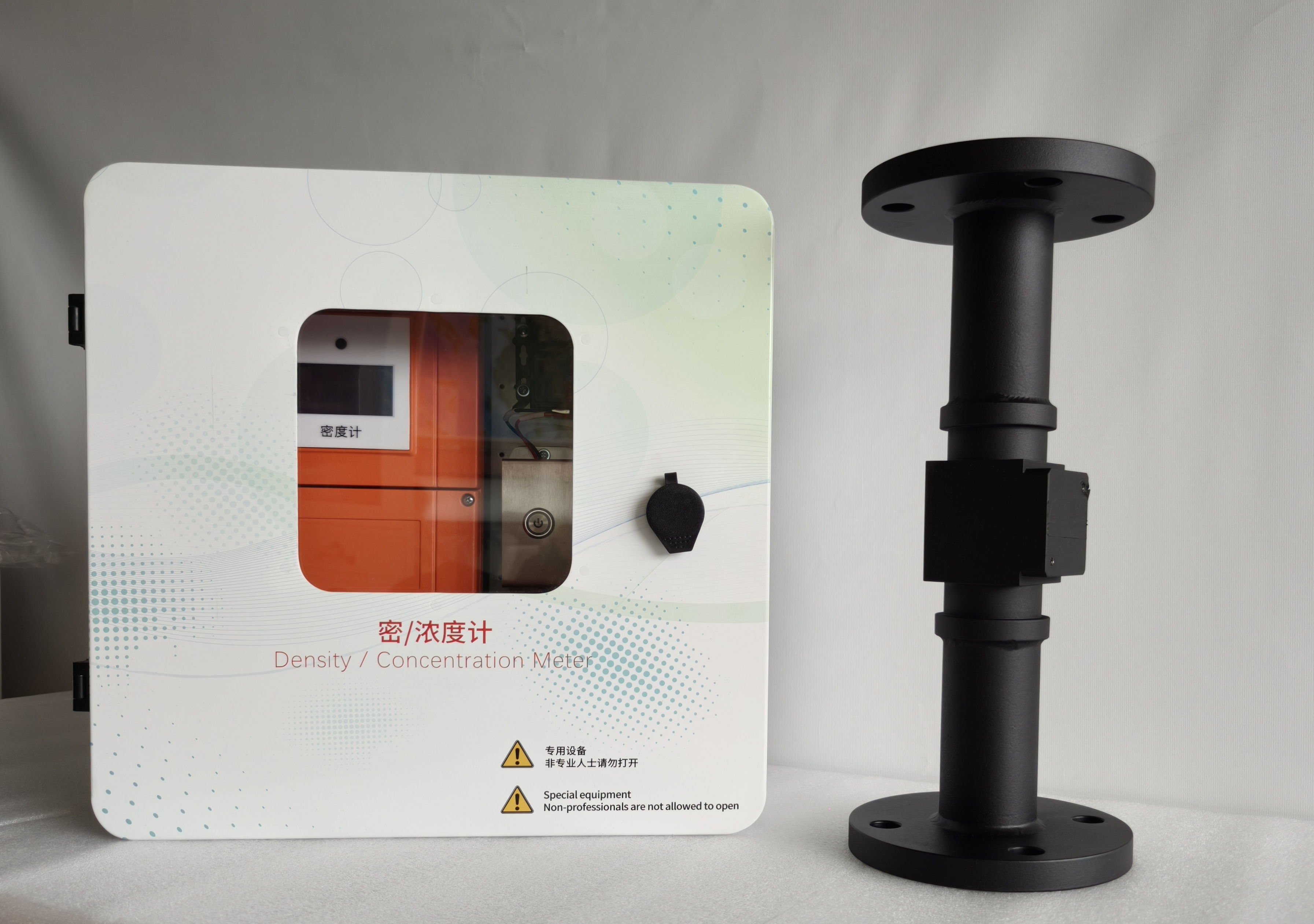
Ultrasonic Slurry Density Meter
Clamp-on Ultrasonic Density Meter
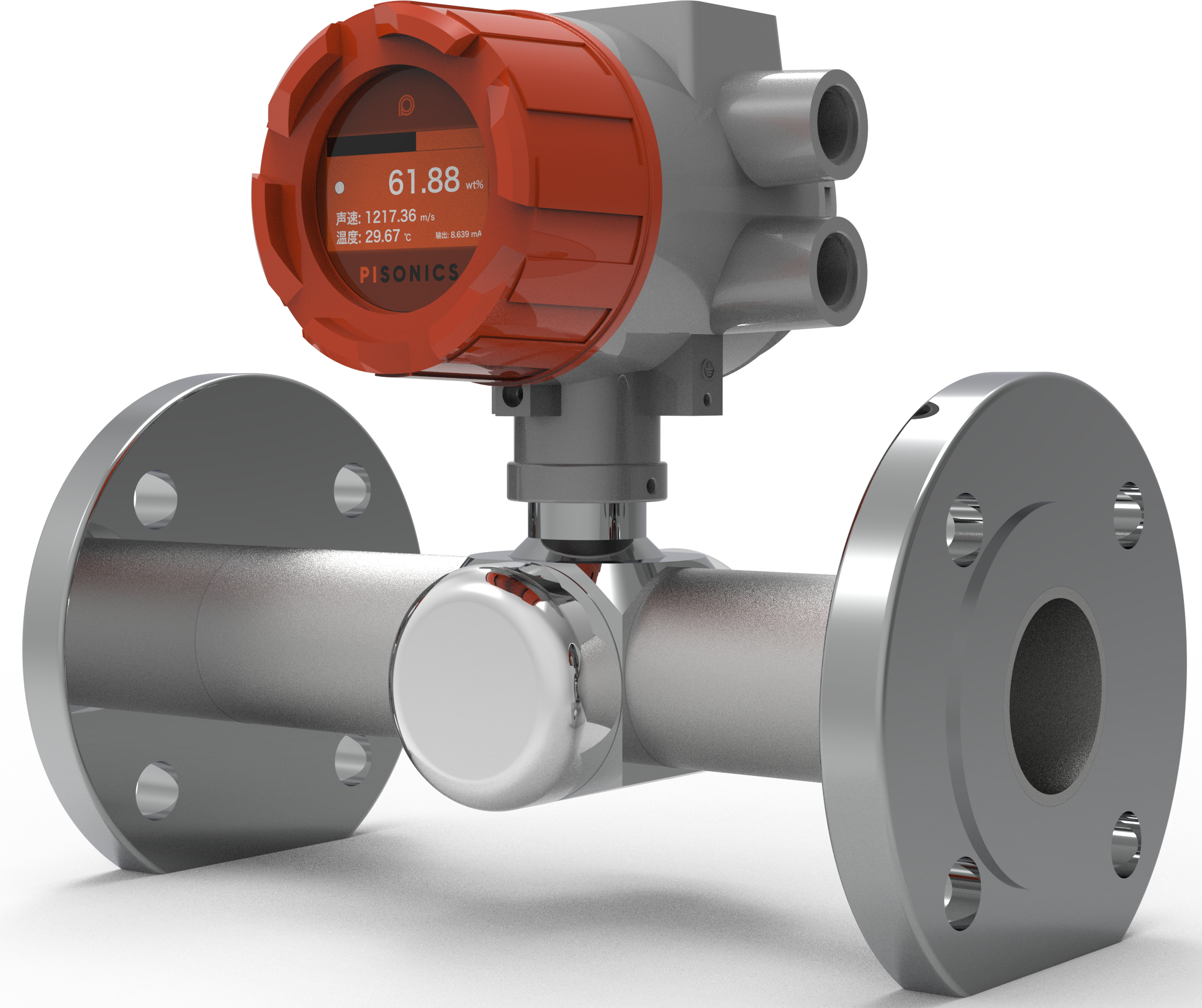
Inline Ultrasonic Concentration Meter
Inline Ultrasonic Phase Separation Detector

Online tuning fork density meter
Coriolis density meter
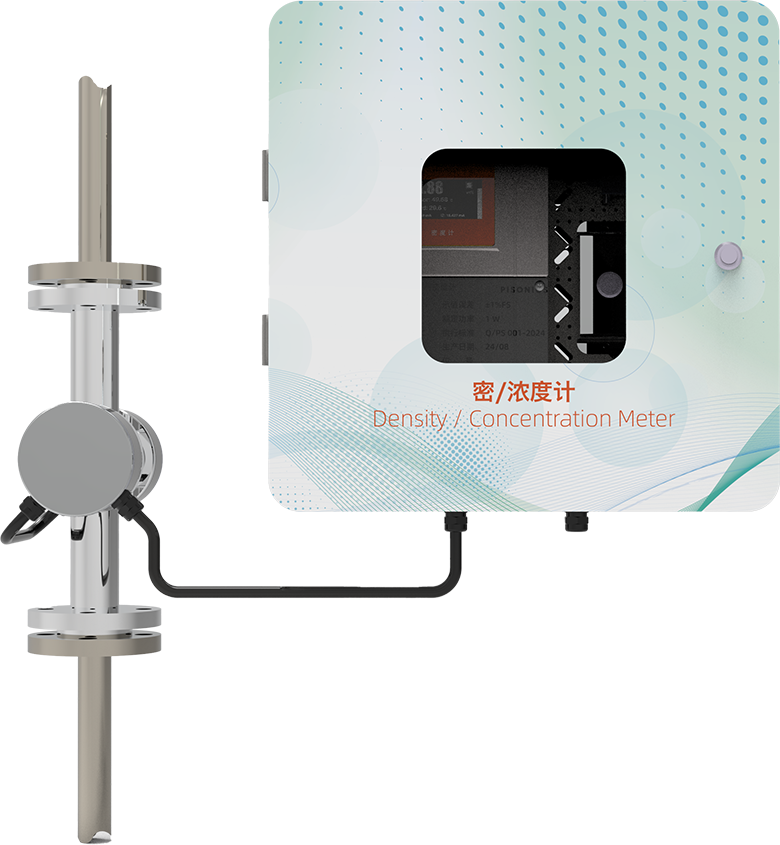
Spectroscopic concentration meter
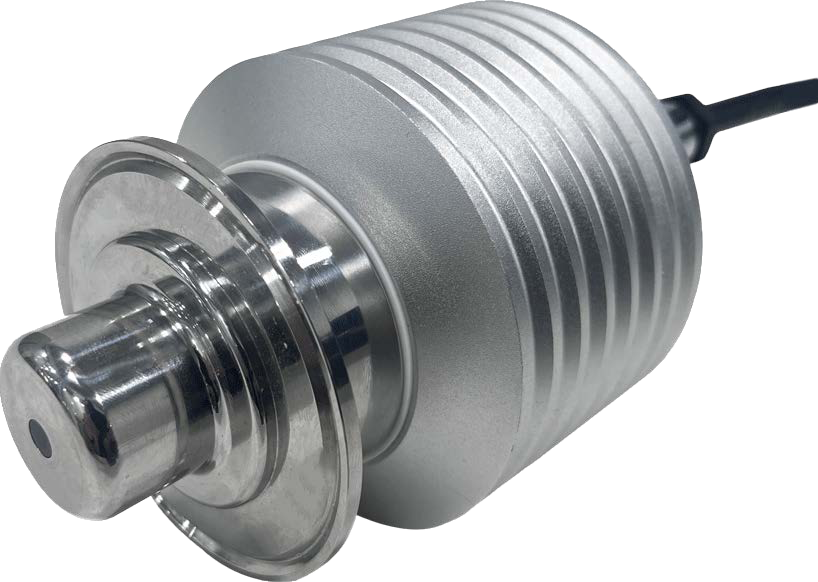
Refractive concentration meter
Microwave concentration/density meter
Common questions
How is dredge production (dry solids per hour) measured?
Can I measure dredge slurry density without a radioactive source?
What density meter should go on a cutter-suction dredger discharge line?
Is the PS7000 ultrasonic density meter a radiometric device? Does it need a radiation license?
The PS7000 is an acoustic-impedance ultrasonic density meter with no radioactive source whatsoever. No radiation license is required. It uses only piezoelectric transducers to send and receive ultrasonic signals — the same physical principle as medical and NDT ultrasound.
If you're currently using a Cs-137 / Co-60 source-based meter and want to remove the regulatory burden, PS7000 is a practical alternative; it installs differently, so check straight run and spool fit before a retrofit. A gamma gauge with an exempt-activity Na-22 source (< 1000 KBq) also needs no radiation license, but we no longer supply that class of instrument.
Can an ultrasonic concentration meter measure mine backfill slurry?
Can PS7000 really measure stably in bubbly mining slurries?
Yes, with one distinction.
The PS7000 employs a linear frequency-modulated (Chirp) acoustic impedance algorithm: after transmitting a broadband ultrasonic pulse, the host unit analyzes the echo in the frequency domain, and multiple-reflection interference from fine, dispersed bubbles is identified and suppressed. That is the main difference from conventional single-frequency reflective meters. The meter also outputs a 0–100 gas index and a bubble flag, so the DCS can tell a real change in concentration from a bubble-driven high reading.
Heavy free gas (pump suction drawing air, a falling stream entraining it, a point directly above an aeration header) or a continuous gas film over the sensor face pushes the reading high or stops it altogether. That is a limit of acoustic measurement: it is avoided by where the sensor goes, not corrected in calibration.
At the gypsum discharge line of an absorption tower in a thermal power plant in Inner Mongolia (under conditions of continuous air oxidation that generate dense bubbles), the PS7000 has been operating stably for several years after replacing the original tuning fork concentration meter.
Get a free field assessment
Tell us your medium, process and what you're measuring — we'll match the right principle and model.