PISONICS· Xi’an Pisonics
PS7300 Series
Differential-Pressure Density Meter
Dual-flange differential pressure · Integrated transmitter · Three installation options available
Case Study: Chemical Industry / Large Polymerization Reactor Applications
—— Real-time tracking of reaction density · Automatic determination of reaction end point ——
B‑bend connection avoids the agitator · 0.001 g/cm³ resolution · Precise end-point judgment · Prevents overreaction
【Key Measured Parameter: Reaction Liquid Density (Indication of Degree of Polymerization)】
【Installation Method: B‑bend Insertion Type · Single Hole at Tank Top】
Chemical Industry / Large Polymerization Reactor · PS7300 Differential-Pressure Density Meter Application Solution
1. Process Background
Polymerization is one of the fundamental operations in the chemical industry. Starting from monomers—such as VCM (vinyl chloride), styrene, methyl acrylate, ethylene glycol, and terephthalic acid—and under catalyst initiation, the process proceeds through three stages: induction, acceleration, and termination, ultimately forming polymers like PVC, PS, PMMA, PET, and SBR. The degree of polymerization (molecular weight) is a core indicator of product quality; density serves as its most direct physical measure. From the initial monomer (typical ρ ≈ 0.85–0.95 g/cm³) to the fully polymerized product (typical ρ ≈ 1.00–1.40 g/cm³), the density shifts by 0.10–0.30 g/cm³, a change that the PS7300’s 0.001 g/cm³ resolution can precisely capture at each stage.
The accuracy of end-point determination directly affects product quality and economic efficiency: overreaction (continued beyond the desired endpoint) leads to increased by-products, broader molecular weight distribution, and batch rework; underreaction (premature termination) results in insufficient polymerization and substandard product performance. Traditional methods rely on manual sampling every 1–2 hours followed by laboratory analysis (GPC gel permeation chromatography, capillary viscometry), which introduces significant data lag, leaving reaction control largely dependent on operator experience.
2. Pain Points of Conventional Density Measurement
• Polymerization reactors typically house high‑speed agitators and heating coils. Conventional side‑mounted differential‑pressure transmitters require two openings in the reactor wall, posing risks to the vessel’s pressure rating and structural integrity;
• Manual sampling involves direct contact with high temperatures (60–120°C) and toxic/volatile monomers (VCM is carcinogenic; styrene has neurotoxicity), posing substantial health hazards to operators;
• Laboratory offline analysis lags by 1–2 hours, leaving end‑point judgment entirely to operator experience, with long‑term fluctuations in product quality and batch consistency;
• Contact‑type density instruments suffer severe vibration in the reactor’s agitating environment, frequent zero drift, and monthly shutdowns for calibration.
3. PS7300 Solution
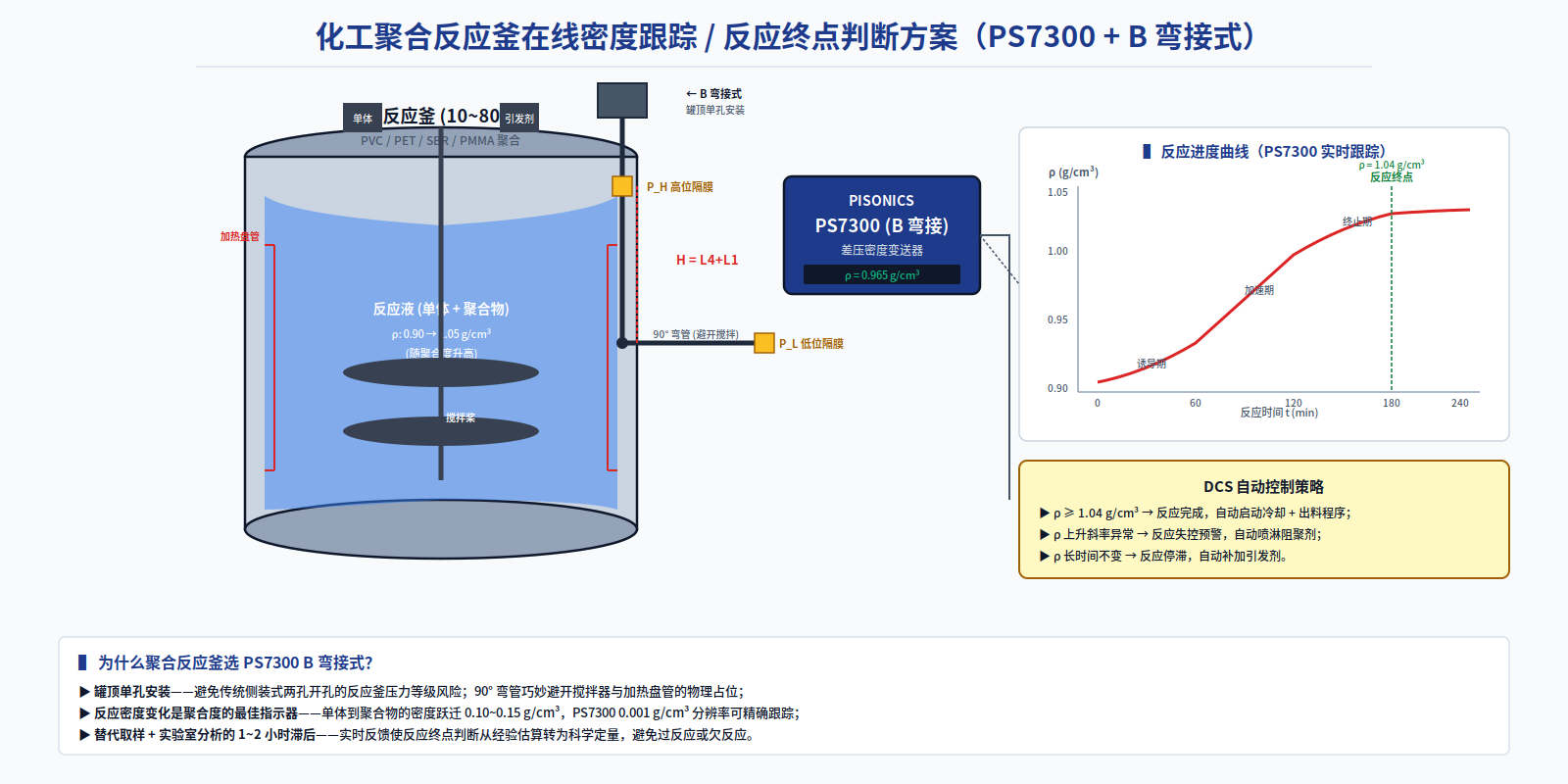
The PS7300 B‑bend insertion design (single‑hole top‑mount installation with a 90° bend) cleverly bypasses the agitator and heating coils within the reactor. Installation requires only a single top‑mount opening (DN80), minimizing impact on the vessel’s pressure rating. The 90° bend extends the lower tapping point to a specified depth inside the tank, enabling flexible combinations of vertical H‑shaped and lateral probing configurations.
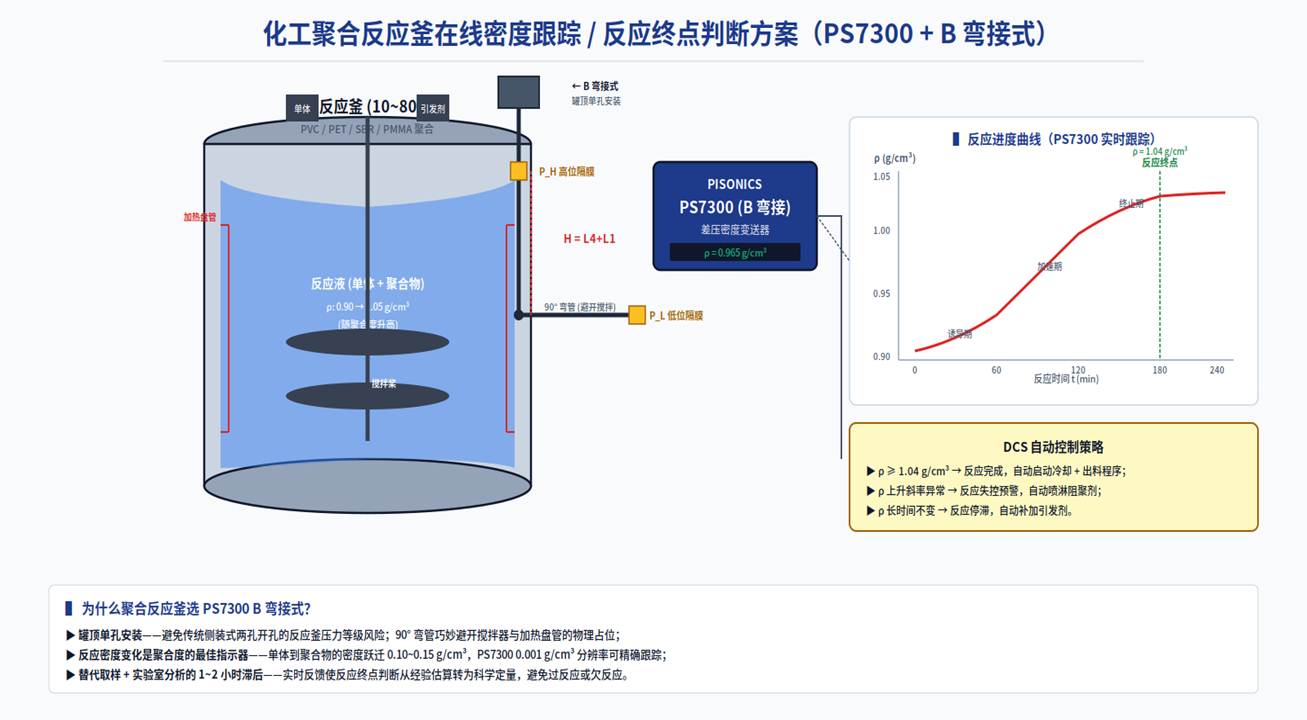
Figure 1: Online Density Monitoring and End‑Point Determination for Chemical Polymerization Reactors
Core Technical Value of the PS7300 in Chemical Engineering and Large-Scale Polymerization Reactors ▶ B‑shaped elbow‑type top‑of‑tank single‑hole installation—eliminates the pressure‑class risks and equipment integrity impacts associated with the two‑hole side‑mount configuration; ▶ The 90° bend cleverly avoids the agitator and heating coils—allowing simultaneous installation of the PS7300 and existing internal components without any interference; ▶ 0.001 g/cm³ resolution plus a 0.25 s response—accurately tracks the three-phase density changes during the induction, acceleration, and termination stages of polymerization; ▶ Automatic end‑point detection—when the DCS‑set density threshold (e.g., ρ ≥ 1.04 g/cm³) is reached, the reaction terminates and the discharge sequence is initiated, preventing overreaction; ▶ Early warning of runaway reactions—when the density rise rate becomes abnormal, the DCS automatically activates an inhibitor spray to prevent thermal and pressure surges; ▶ A choice of diaphragms in Hastelloy C‑276, tantalum, or titanium—withstanding highly corrosive process media such as VCM, styrene, and acrylic monomers, with a service life of at least five years. |
4. Customer Value
Comparison Dimensions | Original Manual Sampling Scheme | PS7300 Online Solution |
Response time | 1–2 hour lag | Second-level real time (0.25 s) |
Sampling Safety | Exposure to toxic monomers | completely non-contact |
Reaction Endpoint Determination | Empirical estimation · Subjective | Scientific Quantification of Density Thresholds |
Uncontrolled Reaction Early Warning | Dependent on operator monitoring | Automatic alarm for density slope |
Batch Consistency | High fluctuation | Highly stable |
Equipment Integrity | Risk of side-mounted dual-port installation | B Elbow fitting with a single hole—zero risk |
Benchmark Products | E+H Deltabar PMD75 | PS7300 Localization-Based Substitution |
In a PVC (polyvinyl chloride) polymerization reactor retrofit project at a major domestic petrochemical group, the PS7300 B‑bend model (with Hastelloy C‑276 diaphragm) was installed atop a 60 m³ suspension polymerization reactor. After six months of operation, statistics showed: average batch reaction time decreased from 5.5 hours to 4.8 hours (a 12.7% reduction); product molecular weight distribution PDI narrowed from an average of 2.4 to 2.1; and first‑pass yield rose from 92% to 98%. Similar solutions have been successfully deployed in PET (polyester) condensation polymerization reactors, SBR (styrene‑butadiene rubber) emulsion polymerization units, PMMA (acrylic glass) bulk polymerization systems, and other high‑performance polymerization scenarios, competing directly with international offerings such as the E+H Deltabar PMD75/ FMD77 and the Emerson Rosemount 3051SAL + 1199.
Conclusion
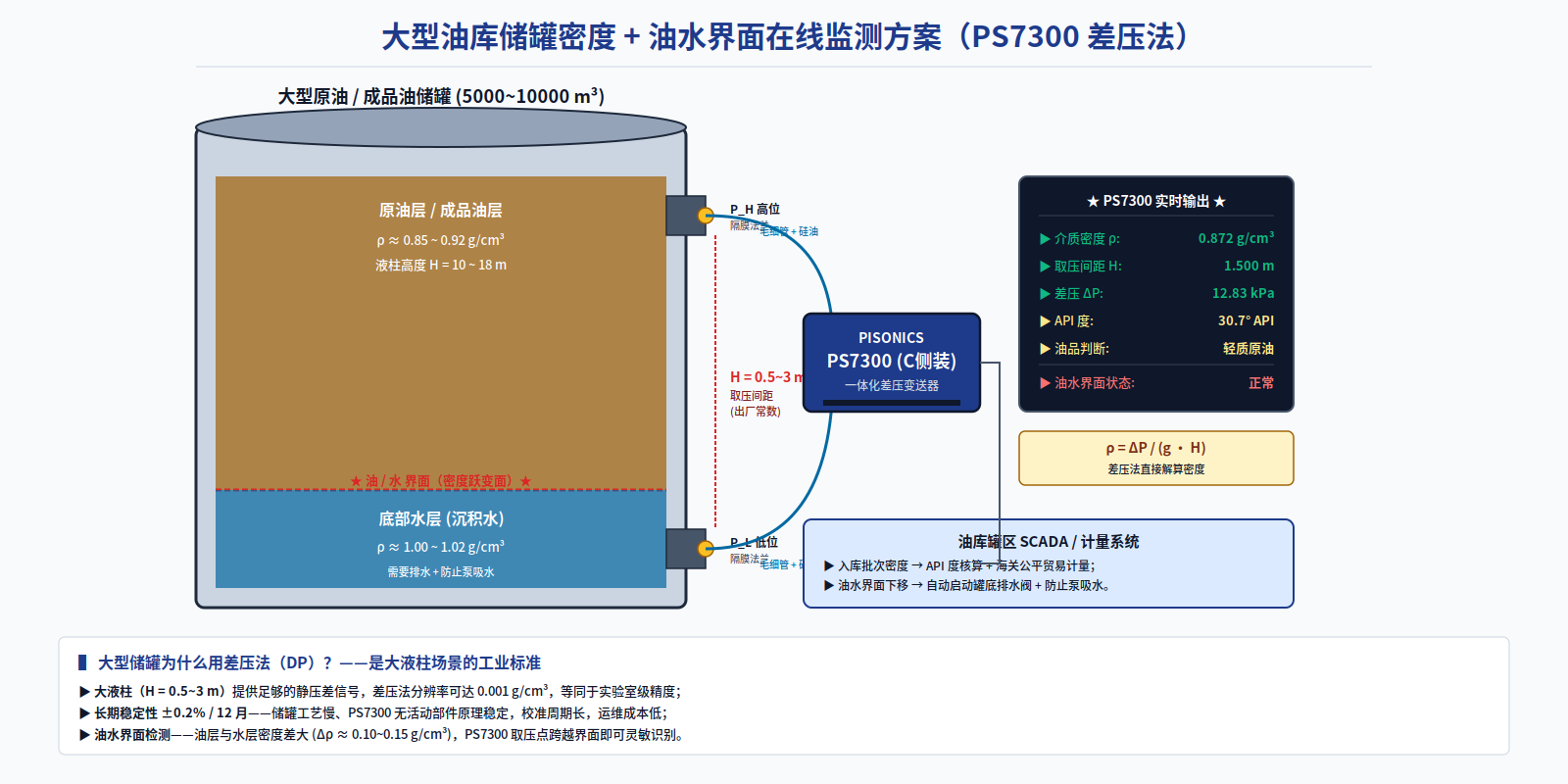
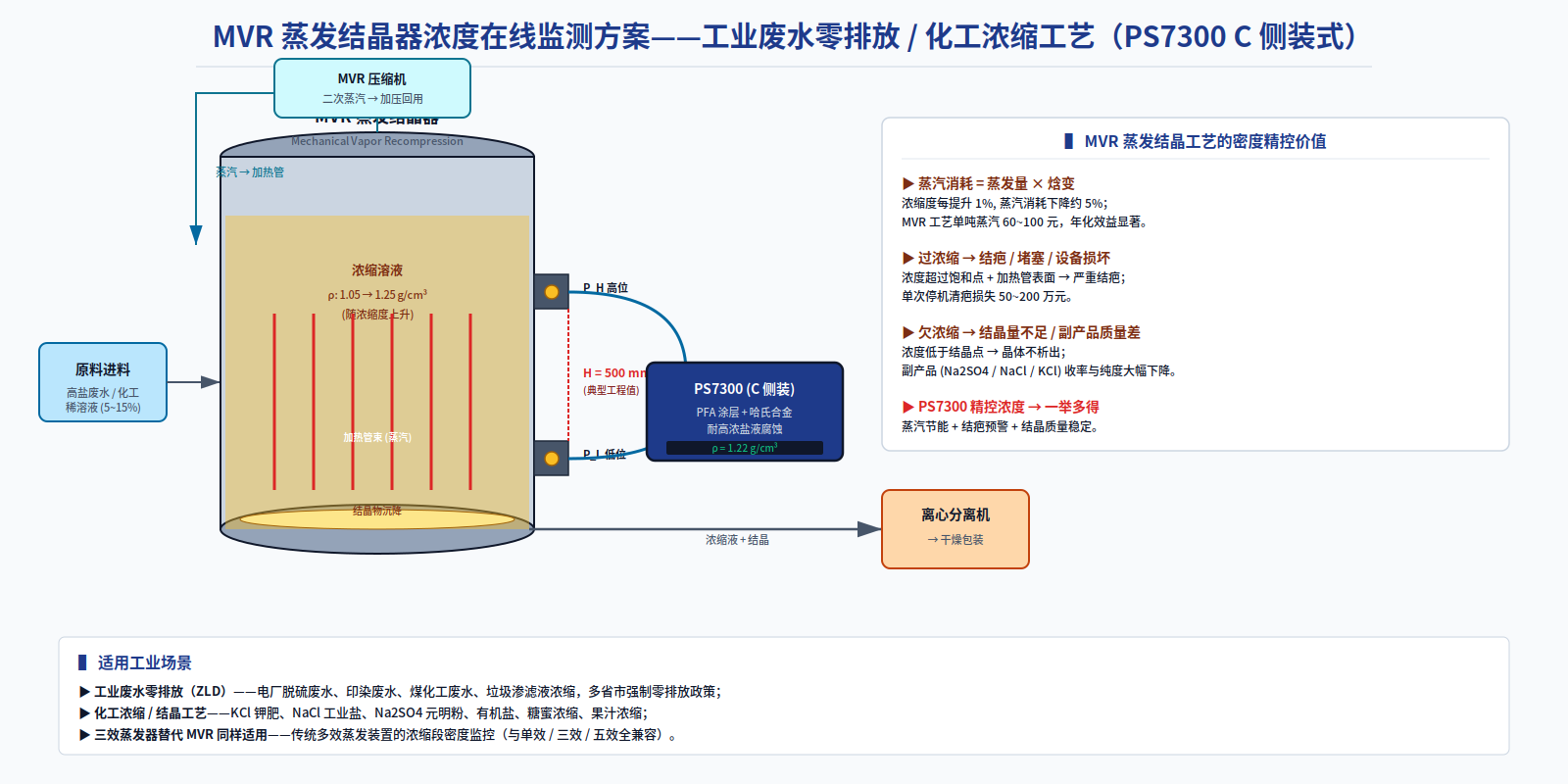
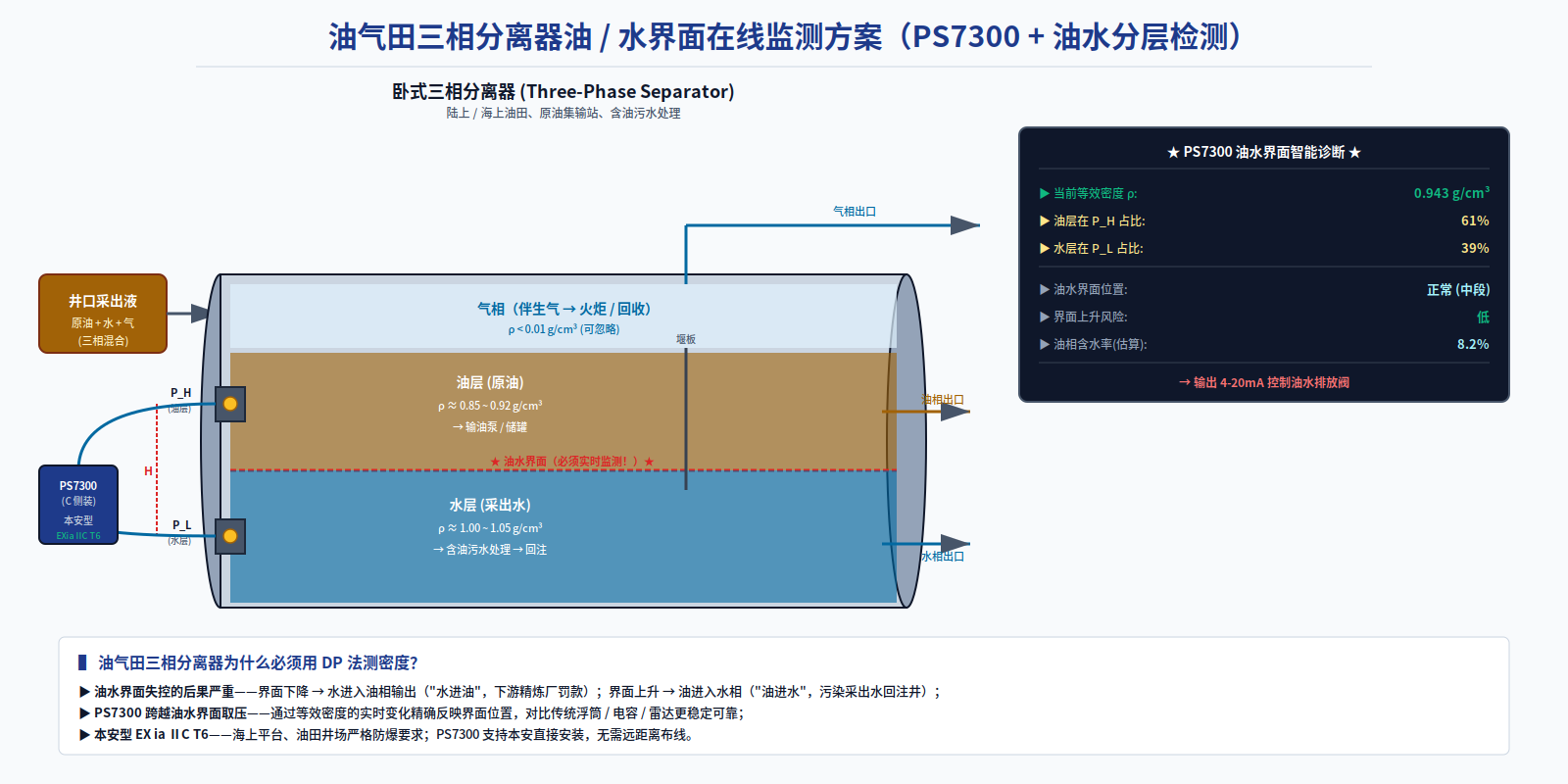
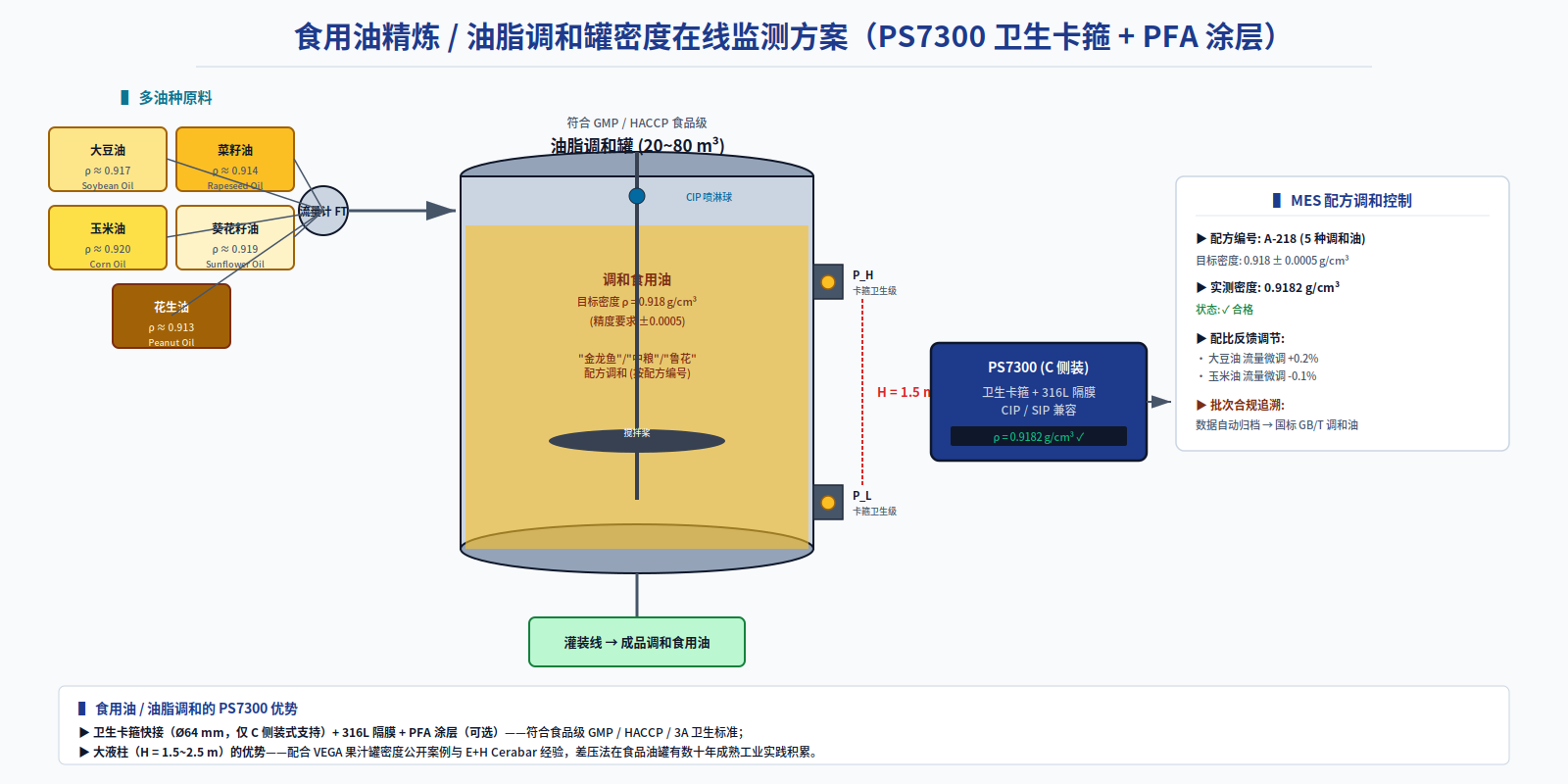
Based on the PS7 series’ five density/concentration measurement principles—PS7000 acoustic impedance, PS7020 sound velocity, PS7100 spectroscopy, PS7300 differential pressure, and PS7400 tuning fork—Xi’an Pisonics has built a comprehensive portfolio of industrial process measurement instruments, covering everything from solid‑liquid two‑phase slurries to clean, homogeneous liquids, from single‑component to multi‑component systems, and from inline process monitoring to large storage tank metering. Among these, the PS7300 differential‑pressure density meter—grounded in the classic ΔP = ρ · g · H physical principle and benchmarked against leading international brands such as the E+H Deltabar PMD75/FMD77, the Emerson Rosemount 3051SAL + 1199 remote‑diaphragm sealed unit, and the VEGA VEGADIF 65/85—is a “long‑term stable, low‑maintenance” industrial standard for large storage tanks, tall liquid columns, and slow‑process density monitoring.
Tailored to the specific characteristics of the chemical and large polymerization reactor industries, the PS7300 series offers full‑scale selection and customization across installation methods (A straight‑tube, B B‑bend, C side‑mount), wetted‑part materials (316L, Hastelloy, Monel, tantalum, titanium, PFA coating), process connections (HG/T20592, JIS, ASME, sanitary clamp), explosion‑proof ratings (intrinsically safe ExiaIICT6, flameproof ExdIIBT4), and communication protocols (4–20 mA, HART, Modbus RS‑485). For in‑depth discussions on your project’s specific conditions or to obtain a tailored solution, please feel free to contact the Xi’an Pisonics technical team at any time.