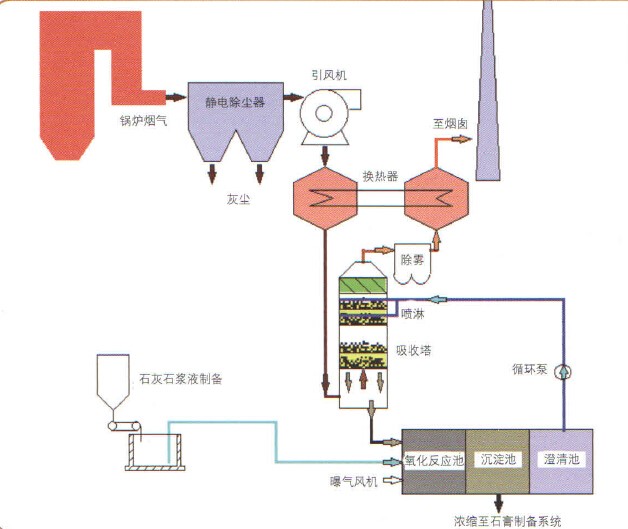
Many people are aware that flue-gas desulfurization slurry is both abrasive and corrosive, with a high solids content, making it difficult to measure the density of limestone slurry using conventional methods. As a result, most companies face challenges when selecting instrumentation for monitoring limestone slurry density. Currently, domestically, three main approaches are used to measure slurry density: 1) differential pressure; 2) level transmitter–based measurement; and 3) Coriolis mass flowmeter–based measurement.
Coriolis mass flowmeters can measure the density of limestone slurry in flue‑gas desulfurization systems because their structural design is similar to that of vibrating‑tube densitometers. The measuring tube oscillates continuously at a specific resonant frequency; since this frequency is a function of fluid density, when fluids of different densities fill the tube, its vibration frequency changes accordingly.
Thus, by detecting changes in the tube’s frequency, the density can be determined.
This method is now the mainstream approach for slurry density measurement. It offers high accuracy and reliability, covers a wide range of slurry densities, and fully meets field application requirements. To ensure optimal performance, the following points should be observed.
- When installing vertically or horizontally, orient the measuring tube upward to prevent solid residues from accumulating inside and altering its resonant frequency, which could compromise density measurement accuracy.
- When using a Coriolis mass flowmeter to measure density, the impact of flow velocity or flow rate on the meter is often overlooked. While the flow rate of the medium passing through the meter does not directly affect density measurement, high‑velocity limestone slurry can cause significant wear on the meter’s vibrating tube, shortening its service life. Therefore, it is advisable to keep the flow rate as low as possible to extend the meter’s lifespan and reduce costs. If the main pipeline flow is excessive, the meter can be installed on a bypass line and its flow regulated via a valve.
- Avoid direct installation at the outlet of a vertical vent line; instead, position the meter on the pump’s discharge side (to prevent low‑pressure conditions).
- Over prolonged use, material buildup, wear, and corrosion can alter the mechanical structure of the measuring tube, affecting its resonant frequency and reducing density measurement accuracy. Regular on‑site recalibration and adjustment are necessary in such cases.
- Before long‑term shutdown, flush the lines with clean water to prevent limestone deposits on the measuring tube walls or blockages that could degrade measurement accuracy or render the system inoperable.
Viscous fluids and solid particles within the measured fluid both contribute to wear on the inner walls of the Coriolis mass flowmeter’s vibrating tube. The degree of tube wear influences offline calibration, fault diagnosis, and vibration‑based fluid viscosity measurements. Solid particle abrasion can also lead to premature failure of the mass flowmeter.
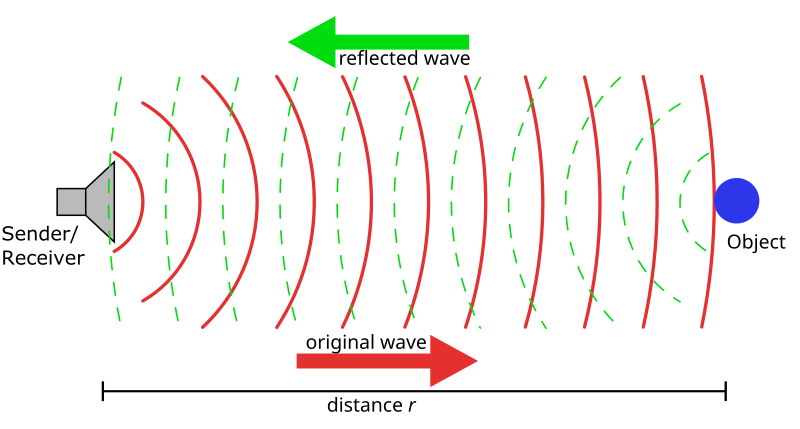
In contrast, an acoustic-impedance ultrasonic density meter has no vibrating tube to wear: the PS7000 sensor is wetted but does not protrude into the flow and has no moving parts, which makes it the better fit for high-solids, abrasive FGD slurry. For clean liquids, or where mass flow is needed as well, Coriolis remains the right choice, and Pisonics offers the PS7200 Coriolis density meter for those duties.
Density meters, concentration meters, ultrasonic density meters, acoustic impedance density meters, acoustic attenuation density meters, sound velocity density meters, tuning fork density meters, Coriolis force density meters, optical concentration meters, differential pressure density meters, Na22 density/concentration meters, microwave density meters/moisture analyzers, conductivity density meters, and external‑mount density meters—please contact Xi’an Pisonics Information Technology Co., Ltd. Our website: https://www.pisonics.cn; our English website: https://www.pisonics.com/
Contact: Manager Cui; Phone: 15902932017; Email: info@pisonics.com