Ultrasonic density meters and traditional nuclear density meters are both important tools used in industrial and scientific fields to measure the density of liquids or slurries. Each has its own unique advantages and limitations. However, ultrasonic density meters offer numerous significant benefits over conventional nuclear density meters, making them more suitable for certain applications. This article will explore in detail the advantages of ultrasonic density meters compared with traditional nuclear density meters from several perspectives:
1. Safety
No Radiological Hazards: Traditional nuclear density meters employ radioactive isotopes—such as cesium‑137 or cobalt‑60—as radiation sources, measuring density by detecting the attenuation of gamma rays passing through the liquid. While effective, this method poses radiological risks and requires stringent safety precautions and regulatory oversight. The handling, storage, and disposal of radioactive materials must comply with strict laws and guidelines to prevent radiation leaks and environmental contamination. In contrast, ultrasonic density meters operate on the principle of sound wave propagation, eliminating radiological hazards. Consequently, they offer a clear safety advantage: operators and the surrounding environment are free from radiation risks, reducing health concerns and the potential for environmental pollution.
2. Installation and Maintenance
Convenient Installation: Installing a nuclear density meter necessitates considerations for radiation shielding and safe distances, often requiring specific mounting locations and protective measures. By contrast, because ultrasonic density meters do not involve radioactive materials, they can be installed more flexibly on the exterior of pipes or vessels without special shielding. This allows ultrasonic density meters to be readily deployed in diverse and complex environments, lowering installation difficulty and cost.
Simple Maintenance: The radiation sources in nuclear density meters have a limited service life and must be periodically replaced and calibrated, with maintenance procedures subject to rigorous safety protocols. Meanwhile, the sensor components of ultrasonic density meters are relatively more durable, and their maintenance is straightforward, involving no handling of radioactive substances. As a result, ultrasonic density meters excel in terms of lower maintenance costs and greater operational convenience.
3. Measurement Accuracy and Response Time
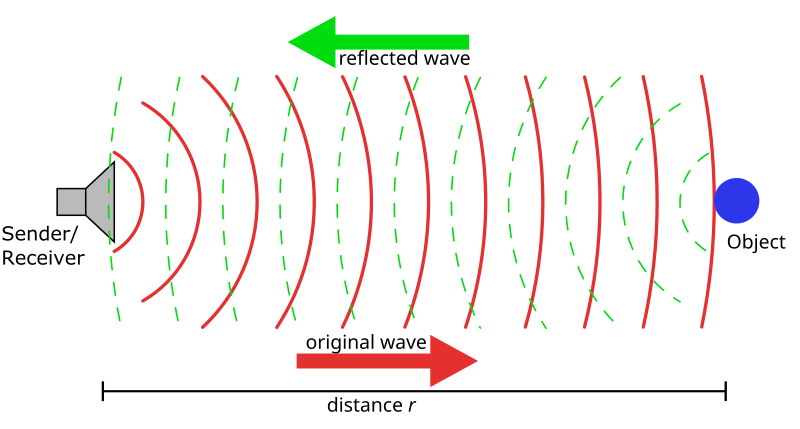
High‑Precision Measurement: Ultrasonic density meters calculate density by measuring the speed and attenuation of sound waves traveling through the medium, achieving high measurement accuracy. Advances in modern ultrasonic technology enable these meters to deliver high‑resolution, highly stable results, particularly suited for industrial process control applications demanding precise measurements.
Fast Response: Ultrasonic density meters boast exceptionally rapid response times, allowing real‑time monitoring of density changes and making them ideal for processes requiring quick feedback and adjustments. By contrast, due to the inherent characteristics of their measurement method, nuclear density meters have comparatively slower response times and may not be well suited for real‑time monitoring or rapidly changing scenarios.
4. Environmental Adaptability
Broad Applicability: Ultrasonic density meters can operate in a variety of challenging environments, including high‑temperature, high‑pressure, and corrosive conditions. By selecting appropriate sensor materials and designs, they can be tailored to meet different operating requirements. By contrast, when exposed to extreme conditions, the stability of the radiation source and the lifespan of the detector in nuclear density meters may be compromised, limiting their range of use.
Non‑Invasive Measurement: Ultrasonic density meters enable non‑invasive measurement—sensors can be mounted externally on pipes or vessels without direct contact with the measured medium. This approach minimizes disruption to the system and is especially advantageous in applications where sealing integrity and cleanliness must be preserved. In contrast, nuclear density meters typically require the radiation source to be placed inside the medium or to pass through it, potentially introducing some disturbance to the system.
5. Environmental Protection and Regulation
Environmental Benefits: Because ultrasonic density meters contain no radioactive materials, their use and eventual disposal pose no risk of radiological contamination, aligning with modern industry’s demands for environmental protection and sustainable development. By contrast, the use of nuclear density meters involves radioactive isotopes, and their end‑of‑life disposal requires specialized treatment to prevent long‑term environmental harm.
Simplified Regulatory Requirements: Equipment employing radioactive isotopes must adhere to stringent regulations and oversight, including radiation safety permits, personnel training, and radiation monitoring. Ultrasonic density meters, being free of radioactive materials, greatly streamline regulatory processes and reduce associated costs, easing the compliance burden on enterprises.
6. Application Flexibility
Multifunctional Applications: Ultrasonic density meters not only measure density but can also integrate the measurement of other parameters, such as temperature and flow velocity, providing more comprehensive process monitoring. By contrast, nuclear density meters are generally focused solely on density measurement, with relatively limited functionality.
Portability and Mobility: Thanks to their simple structure and absence of a radiation source, ultrasonic density meters can be designed as portable devices, facilitating mobile measurements at various sites and supporting field inspections and on‑the‑go process monitoring. In contrast, nuclear density meters, constrained by their radiation sources, offer poor mobility and portability.
7. Economic Benefits
Cost‑Effectiveness: Although the initial investment in an ultrasonic density meter may be slightly higher than that of a nuclear density meter, its long‑term operating costs are lower. Ultrasonic density meters entail low maintenance expenses, eliminate the need to replace radiation sources, and enjoy a long service life, resulting in a clear overall cost advantage. By comparison, the expenses associated with replacing radiation sources, implementing radiation shielding, and disposing of nuclear density meters are substantial, making them less economically attractive over the long term.
Conclusion
In summary, ultrasonic density meters outperform traditional nuclear density meters in safety, ease of installation and maintenance, measurement accuracy and response time, environmental adaptability, environmental protection and regulatory compliance, application flexibility, and economic efficiency. While each type has its own strengths and weaknesses depending on the application, ultrasonic density meters—thanks to their non‑radiological nature, convenient installation and maintenance, high precision, and eco‑friendliness—are increasingly becoming the preferred choice for density measurement across many industrial and scientific domains. Looking ahead, as ultrasonic technology continues to advance, its advantages in an even wider array of applications will become ever more pronounced.
Density meters, concentration meters, ultrasonic density meters, acoustic impedance density meters, acoustic attenuation density meters, sound velocity density meters, tuning fork density meters, Coriolis force density meters, optical concentration meters, differential pressure density meters, Na22 density/concentration meters, microwave density meters/moisture analyzers, conductivity density meters, clamp‑on density meters—please contact Xi’an Pisonics Information Technology Co., Ltd. Our website: https://www.pisonics.cn; our English website: https://www.pisonics.com/
Contact: Manager Cui; Phone: 15902932017; Email: info@pisonics.com